
If you are comparing HVAC systems for a larger home, an addition, or rooms with different comfort needs, you may have come across the term VRV system. It is a more advanced option than many traditional air conditioning systems, and it is designed to give you better control over how your home feels from room to room.
A VRV system HVAC setup can be a smart fit when you want more precise temperature control, better energy performance, and a flexible way to handle different spaces under one system.
If you are not sure whether this option makes sense for your home, contact us at Prime Home HVAC, and we can help you compare the right solutions for your layout and comfort goals.
What Is a VRV System in HVAC?
A VRV system stands for Variable Refrigerant Volume.
You may also hear it compared to VRF systems, which stand for Variable Refrigerant Flow.
The idea is similar. The system adjusts how much refrigerant is sent to different indoor units based on the comfort needs in each area.
In simple terms, instead of heating or cooling your whole home the exact same way, a VRV air conditioning system can deliver more targeted comfort where it is needed.
This makes it different from many traditional HVAC systems, which often treat the home as one or two broad zones. If one room gets too warm in the afternoon or a new addition never seems comfortable, a VRV-style setup may offer a better answer.
How Does a VRV System Work?
If you have been asking, “How does a VRV system work?”, here is an easy explanation to that:
A VRV system uses:
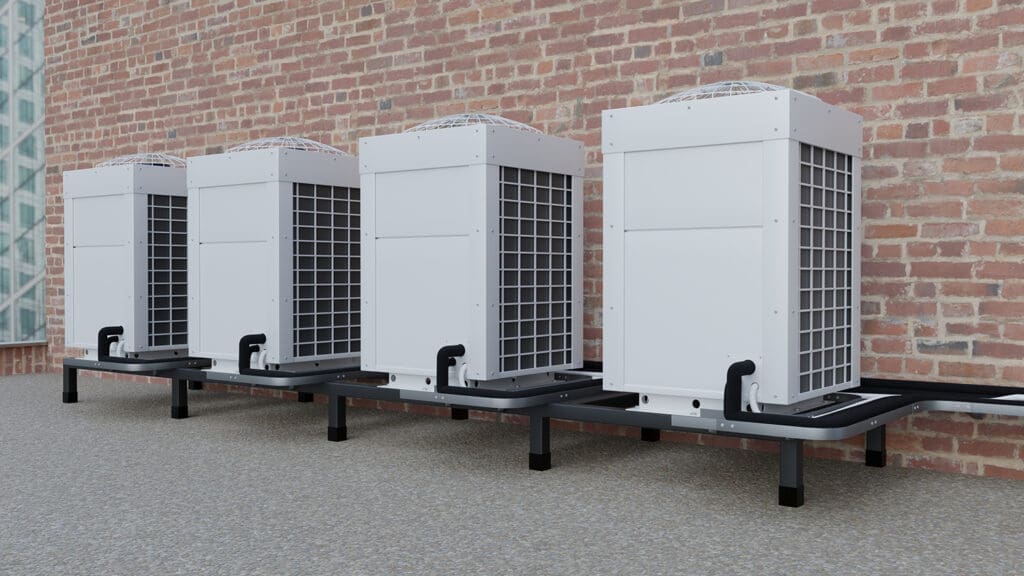
- One outdoor unit
- Multiple indoor units
- Refrigerant lines connecting them
- Smart controls that adjust output based on demand
That means the system can respond as conditions change throughout the day. A sunny upstairs bedroom may need more cooling, while a shaded room may need less. Instead of running at one fixed level, the system adjusts to match the load.
The result is more control over cooling or heating in individual areas and less wasted energy.
This is one reason homeowners start looking into a VRV cooling system when standard setups do not seem to solve uneven temperatures very well.
What Makes a VRV System Different From Traditional HVAC Systems?
The biggest difference is flexibility.
Traditional central systems usually push conditioned air through a duct system to serve large areas at once. That works well in many homes, but it can be less effective when comfort needs vary a lot from one room to another.
An HVAC VRV system is designed to adapt more precisely. These systems are built for control, zoning, and responsiveness.
Here is where a VRV setup stands out:
- Better zoning: Different rooms can have different temperature settings.
- Improved efficiency: The system adjusts output instead of always running at full power.
- Flexible installation: It can work well in homes with additions, renovated spaces, or challenging layouts.
- More consistent comfort: Rooms with different sun exposure or usage patterns can be managed more effectively.
If you are already exploring options like mini-split solutions or other modern comfort upgrades, a VRV-style design may be worth discussing with our team.
When Might a VRV System Be the Right Fit?
Not every home needs a VRV setup. But in the right situation, it can solve problems that simpler systems struggle with.
You may want to consider a VRV AC system if:
- Your home has multiple comfort zones: If some rooms are always too hot while others stay cool, a more targeted system may help balance things out.
- You have a larger home: Bigger homes often have different usage patterns and temperature changes across floors or wings. A VRV system can respond more accurately to those differences.
- You added onto your home: Additions, finished basements, converted garages, and bonus rooms often create comfort issues. A flexible system can be useful when the original equipment was not designed for the new space.
- You want energy-conscious performance: Because the system adjusts output based on demand, it can help reduce the stop-and-start cycling common in some older systems.
- You want more control: If you like the idea of setting different temperatures in different parts of the home, this type of system may be appealing.
If any of that sounds familiar, it may be time to schedule a conversation with Prime Home HVAC. We can walk you through whether a VRV option or another solution would make the most sense for your home.
Are There Times When Another System May Make More Sense?
A VRV system is not automatically the best answer for every home. For many homeowners, a traditional central air system, heat pump, or ductless setup may still be the better fit depending on:
- Your home’s size
- Your existing ductwork
- Your budget
- Your long-term energy goals
- How many zones you actually need
That is why the best first step is getting clear guidance from a professional who can evaluate your space and explain your options in plain language.
If you are comparing cooling systems, our air conditioning services page is a good place to start. If year-round comfort is the bigger concern, our heating services page can also help you understand the bigger picture.
What Should You Do Before Choosing a VRV HVAC System?
Before making any decision, focus on the real problems you want to solve.
Ask yourself these questions:
- Are certain rooms always uncomfortable?
- Are you planning a remodel or addition?
- Do you want better control over different spaces?
- Are high energy bills pushing you to explore better options?
- Are you trying to improve comfort without overconditioning the whole home?
These are the kinds of questions that help narrow down whether a VRV system in HVAC is the right choice for your home, or whether another solution may serve you better.
Is a VRV System Worth Considering?
A VRV system can be a strong option when you need room-by-room comfort, better efficiency, and a more flexible design for a larger or more complex layout.
The key is making sure the system matches your home, your goals, and how you actually live in the space.
If you want a clear answer without the guesswork, our team at Prime Home HVAC is here to guide you.
We will help you compare your options, explain what fits your home best, and make the process clean, simple, and complete. Contact us today to schedule an HVAC consultation and find out whether a VRV system HVAC setup is the right next step for your comfort.